


This is an intimate and beautiful observation from Connecte psychologist Dr. Simcha Samuel which speaks directly to the tender and complicated parental journey of discovery that happens between ourselves and our kids.


This is an intimate and beautiful observation from Connecte psychologist Dr. Simcha Samuel which speaks directly to the tender and complicated parental journey of discovery that happens between ourselves and our kids.
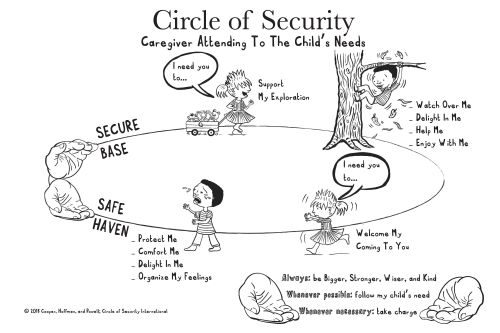
Stéphanie Correia introduces us to The Circle Of Security, a great tool for parents and caregivers to better understand children’s attachment needs as they navigate the world around them. Mapping the flow between a child’s dual needs for independence and safety, this beautifully mindful approach helps parents find the sweet spots for responding to those needs.

Amy Gregory’s insightful blog takes a look at the ways in which easing of restrictions after the long period of enforced Covid-19 related social regulation had many of us struggling to rewrite, or even to remember, how to negotiate and maintain personal boundaries for ourselves.

More-than-a-blog, Dr Lisa Linardatos offers us an informative, groundbreaking and comprehensive compendium of guidelines and resources created to support therapists’ endeavours to ensure the best support for transgender and gender nonconforming individuals.

In her thoughtful and reflective blog, Dr. Leanne D. Rondeau looks through the compassionate lens at the connection between laughter and our emotional healing, health and well-being.

Dr. Tobey Mandel offers us a a crash course on OCD that simply and deftly breaks down the cycle’s key features, and discusses how therapists can use their understanding to help identify and address what’s really going on behind the scenes of an OCD cycle.

Validation is a term we hear more and more these days, and in therapist Candace Kensley’s work with couples and families, it is something that comes up in almost every session. What does it mean, why is it important, and how can we use it to build better relationships? Let’s talk about it!

Social support plays a monumental role in creating, maintaining, and promoting health. In fact, we know from the literature that it is a protective factor against several physical and psychological health problems. Read on for more on why we need it, what it is and how to get it.

Ambivalence can make us feel torn between opposing thoughts or feelings. In the context of therapy, this is SO normal, but the experience can be preoccupying and exhausting!

“People sometimes worry that if we offer comfort when children are upset, we are saying I accept your behaviour. What we are really saying is I accept your emotions.” – J. Milburn